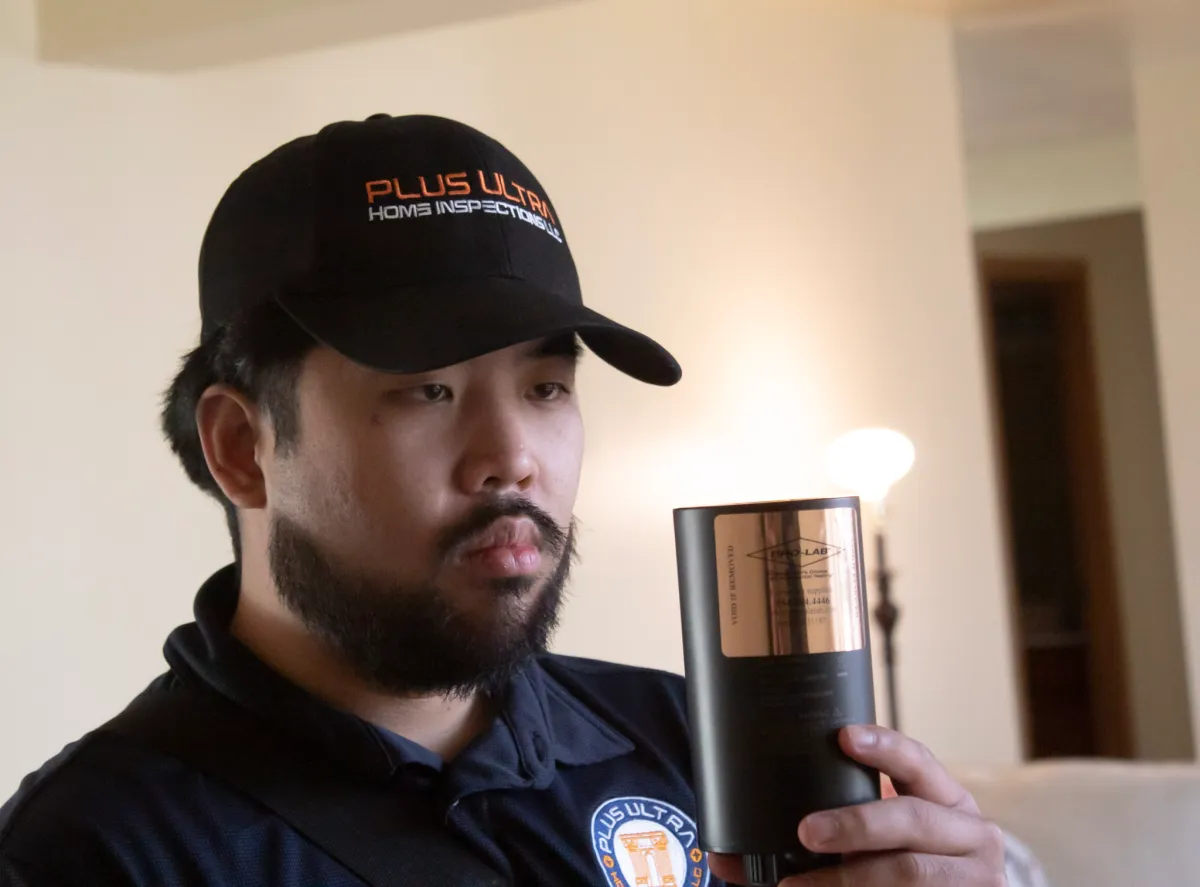
Mold Testing
Is There Mold Hiding in Your Home? What Every Homeowner Needs to Know
By Plus Ultra Home Inspections
Mold doesn't wait for a convenient time to show up. It grows behind your drywall, under your flooring, above ceiling tiles, and inside your HVAC system. Usually for months before you have any idea it's there. By the time you notice a smell or spot a stain, the problem is almost always bigger than it looks.
At Plus Ultra Home Inspections, we've seen what happens when mold goes undetected for too long. We put this guide together because we think every homeowner deserves a straight answer: what mold is, where it hides, when to get it tested, and what to do if we find it.
WHY MOLD IS MORE THAN JUST AN EYESORE
Mold is a living organism. It feeds on moisture and organic material like drywall, wood framing, insulation and spreads by releasing microscopic spores into the air. The most common household varieties include Cladosporium, Penicillium, and Stachybotrys chartarum, which most people know as black mold.
Breathing in those spores over time can cause real health problems. We see it most often in kids, elderly homeowners, and anyone with asthma or a compromised immune system. It can cause chronic coughing, sinus congestion, skin irritation, persistent headaches. In worse cases, respiratory infections.
"The EPA estimates that mold affects up to 50% of homes in the United States. Many of those homeowners have no idea it's there."
Beyond the health side of things, mold eats away at whatever it's growing on. Ignore it long enough and you're not just dealing with a mold problem anymore — you're dealing with rotted framing, ruined subfloor, and a remediation bill that should have been a fraction of the cost.
WARNING SIGNS YOU SHOULDN'T BRUSH OFF
Most of the time, your house will tip you off before mold becomes visible. Watch for:
- A musty or earthy smell that doesn't go away
- Dark spots or discoloration on walls, ceilings, or grout
- Allergy-like symptoms that seem tied to being home
- Any recent water damage. Even minor leaks
- Condensation on windows or exterior walls
- Paint or wallpaper that's bubbling or peeling
- Flooring that's warped or feels soft underfoot
- A history of roof leaks or plumbing issues
One thing worth knowing: the mold we find most often isn't visible at all. It's living inside walls, underneath bathroom tile, or in crawl spaces that nobody's looked at in years. A visual check on your own won't cut it.
WHAT A PROFESSIONAL MOLD TEST ACTUALLY INVOLVES
A proper mold inspection isn't just someone walking around with a flashlight. Here's how we approach it at Plus Ultra:
1. Visual inspection — We do a thorough walk-through of the whole house, with a close look at the areas most likely to harbor mold: bathrooms, basements, attics, crawl spaces, and anything near your HVAC system.
2. Moisture mapping — Using moisture meters and infrared cameras, we detect elevated moisture levels inside walls and floors before mold even starts growing. Finding moisture problems early is one of the best things you can do for your home.
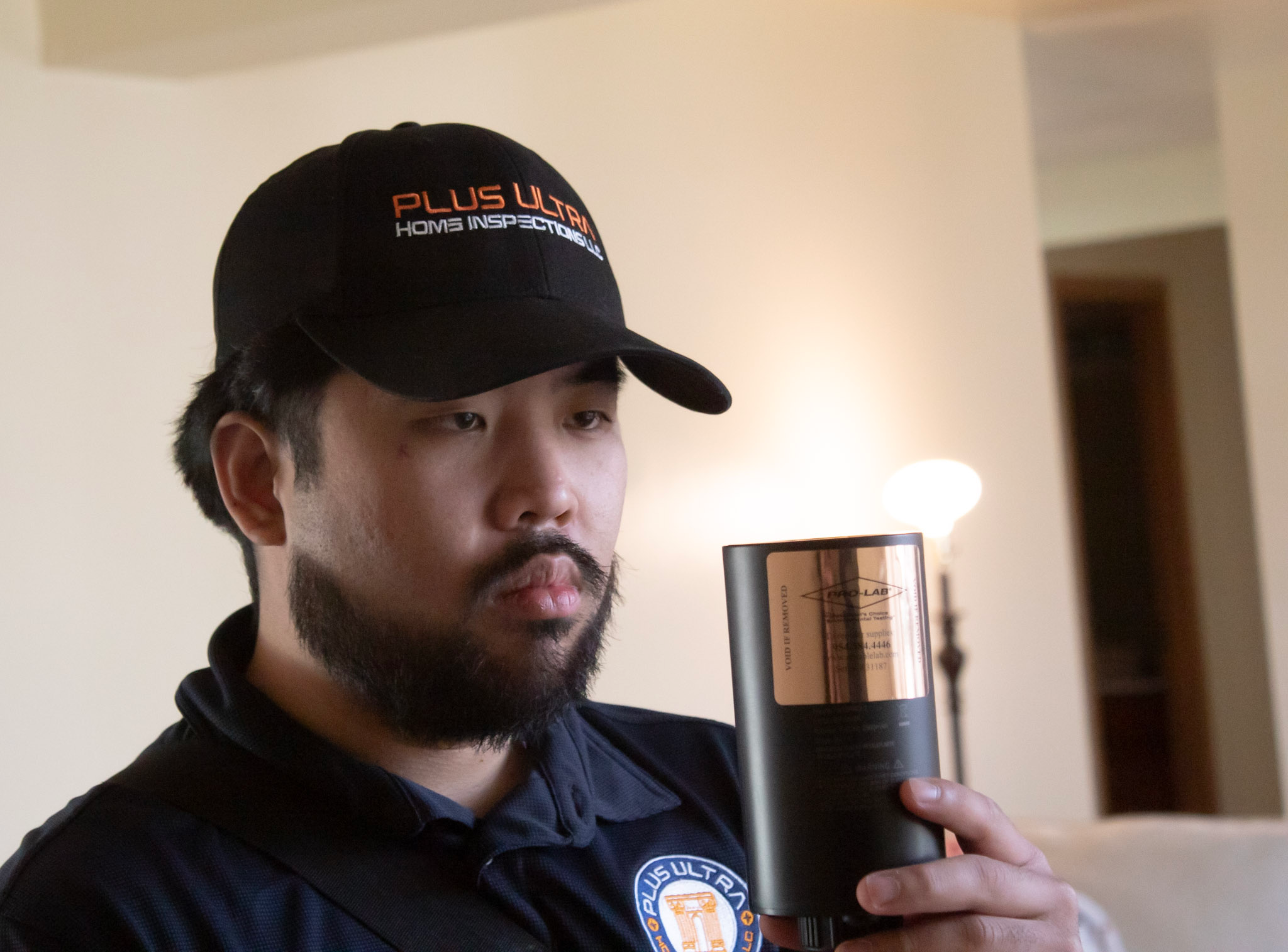
3. Air sampling — We collect air samples at multiple points inside your home and compare them to an outdoor baseline. This tells us what spore types are present and at what concentrations.
4. Surface sampling — If we find visible growth, we take swab or tape-lift samples to identify exactly what species of mold we're dealing with. That matters because different molds carry different risks and require different approaches.
5. Lab analysis and a clear report — Every sample goes to a certified lab. You get a written report with the findings, spore counts by species, and our honest recommendations for what to do next. No jargon, no fluff.
WHEN YOU SHOULD GET A MOLD TEST
Before you buy a home. Mold is one of the most frequently missed issues in real estate deals. Getting an inspection before you close could save you from a costly surprise and gives you real negotiating power if something turns up.
After any water event. A burst pipe, a roof leak, a flooding situation. Mold can establish itself within 24 to 48 hours of water exposure. Even if the water dried up, if it wasn't fully remediated, mold may still be growing.
When people in the house are dealing with unexplained symptoms. Chronic sinus problems, persistent coughing, headaches that don't respond to anything if it's happening at home and improving when you leave, mold is worth ruling out.
When you're selling. Proactive testing shows buyers you've been a responsible owner. A clean result is a genuine selling point. A surprise mold finding during the buyer's inspection is the kind of thing that kills deals.
As part of regular home maintenance. Older homes, humid climates, houses with crawl spaces. These benefit from periodic mold testing the same way your car benefits from an oil change. It protects your investment.
WHAT HAPPENS IF WE FIND MOLD
A positive result isn't the end of the world. It's information, and information is useful. Finding mold before it spreads is almost always cheaper and easier to deal with than finding it after.
Our report will tell you where the mold is, what type it is, and how significant the growth appears to be. We don't do remediation ourselves, which means there's no conflict of interest in our findings. We're not looking for problems to sell you a fix — we're just telling you what's there.
If remediation is needed, we can point you toward qualified contractors and help you understand what a proper scope of work should look like so you don't get oversold.
Once remediation is done, a clearance test confirms the mold has been fully removed and spore counts are back to normal. That documentation matters — both for your peace of mind and for any future buyer who asks questions.
DON'T WAIT FOR THE SMELL
The homes that concern us most aren't the obvious ones. They're the ones where mold has been quietly growing for years, inside walls and under floors, while the homeowner had no idea. By the time something becomes noticeable, the problem has usually been expensive for a long time already.
A professional mold inspection is fast, non-invasive, and gives you a clear picture of where things stand. Whether the result is a clean bill of health or a problem that needs to be addressed, you come out of it knowing something you didn't before and that's worth a lot.
Ready to find out what's going on in your home? Give Plus Ultra Home Inspections a call and we'll take it from there.
